

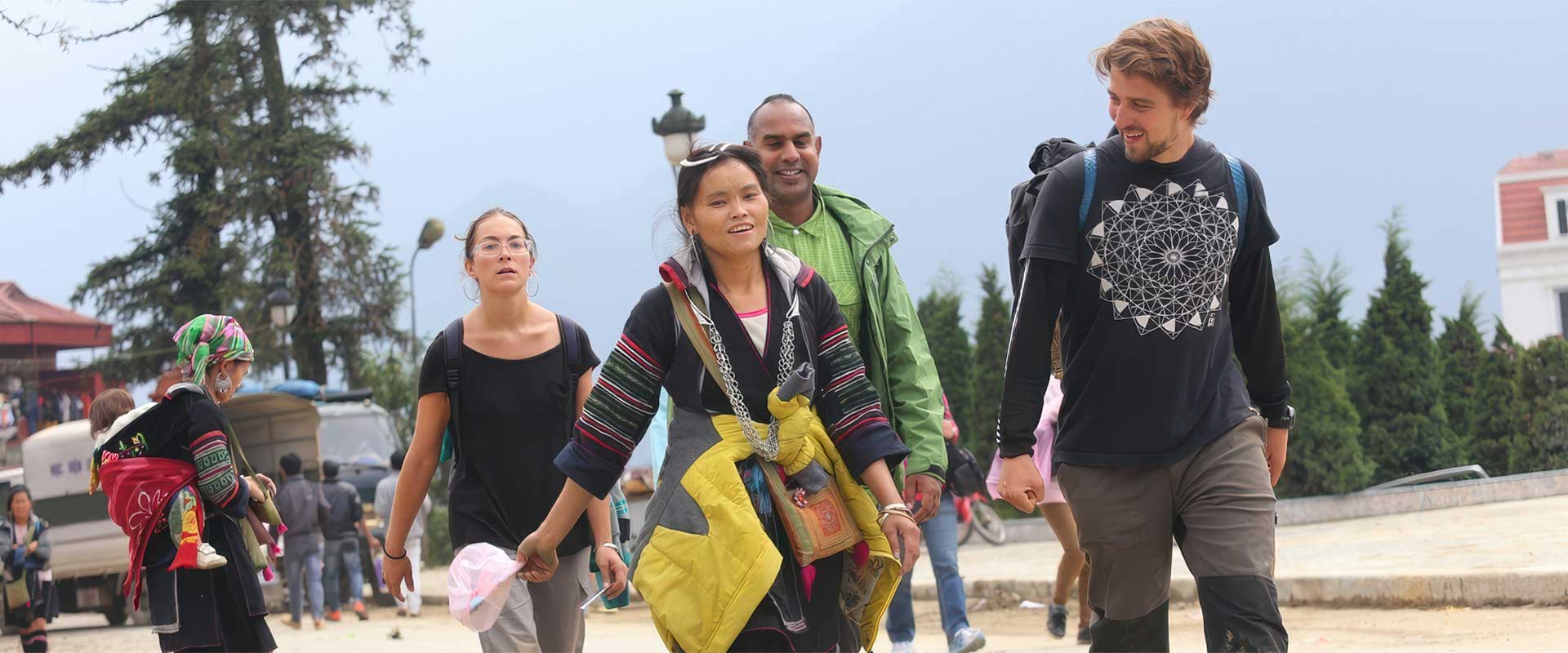
Your Guide To Sapa
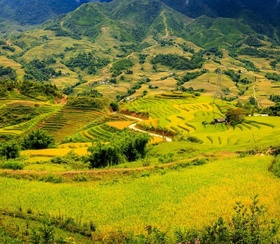
If you’re seeking a destination unlike anywhere else in Vietnam, Sapa is the perfect choice. With misty mountains, golden rice terraces, and vibrant hill-tribe villages, its beauty feels both timeless and unforgettable.
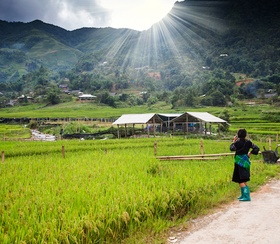
Sapa weather







Sapa Train Guide






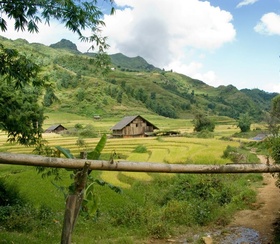
Sapa Travel Guide





Local Ethnic Markets
Frequently asked questions
1. What is the best month to visit Sapa?
Sapa is beautiful year-round, but the best months to visit are October to November and March to May.
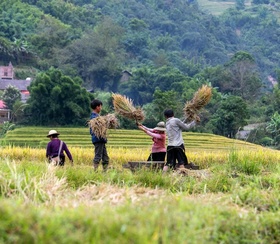
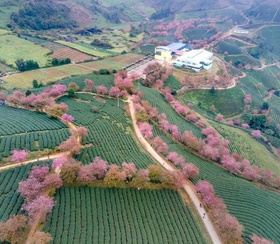
In autumn (September–November), the weather is cool and dry, and the rice terraces turn golden, creating some of the most stunning scenery in Vietnam. Spring (March–May) brings mild temperatures, clear skies, and blooming flowers across the valleys.
Summer (June–August) is warmer with more rain, but it’s also when the rice fields are lush and green. Winter (December–February) can be very cold, with foggy mornings and even occasional snow, adding a unique charm for adventurous travelers.
In recent years Sapa may be affected by typhoon and landslides in September, so it is still best to check the weather conditions in advance. You can learn more about Sapa weather in our Best Time to Visit Sapa article.
2. What to do early in the morning in Sapa? The train arrives very early.
Most trains from Hanoi reach Lao Cai early, and you’ll reach Sapa town around 6:00–7:00 a.m., before hotel check-in. It’s a great time to enjoy a local breakfast—try a hot bowl of pho, sticky rice, or coffee at a small café near the town center. You can also take a short walk around Sapa Lake or visit the morning market to see locals start their day. Many travelers relax at a spa or café until their rooms are ready, soaking in the fresh mountain air after the long ride.
3. What are top things to do in Sapa?
There are many things to do while in Sapa, include trekking through Lao Chai, Ta Van, and Cat Cat villages, taking the Fansipan cable car, visiting local ethnic markets, and enjoying views from Ham Rong Mountain. Many visitors also relax at cafés overlooking the valleys or join cooking classes and herbal baths offered by local communities.
4. Do I need hiking shoes in Sapa?
If you plan to trek or visit local villages, bringing comfortable hiking or walking shoes is highly recommended. Many trails around Sapa are muddy, uneven, and even slippery, especially after rain. Good shoes with good grip make walking safer and more enjoyable. For short strolls around town, sneakers are fine, but for longer treks to villages like Lao Chai or Ta Van, light waterproof hiking shoes are best. If you forget yours, basic trekking shoes can also be rented or bought in Sapa town.
5. Are there any local etiquettes I should be aware of?
Yes. Sapa is home to many ethnic minority communities, each with its own customs. There are a few things to note:
- When visiting villages, dress modestly—avoid short shorts or revealing tops.
- Always ask before taking photos of local people, especially in rural areas.
- It’s polite to accept small offers of tea or snacks if invited into a home, even if you don’t finish them.
- Avoid touching people’s heads (a sign of disrespect) and refrain from public displays of affection.
- Bargain gently at markets—it’s part of local culture, but keep it friendly and fair.
6. Do I need a guide to explore Sapa?
While you can walk around town independently, hiring a local guide for trekking or village visits adds great value. Guides provide insights into local customs, help navigate trails, and often connect travelers with ethnic minority families for authentic homestay experiences. Many speak good English and make your journey safer and more meaningful.
7. Do I need to bring cash when visiting local markets? Are there ATMs in Sapa?
Yes, it’s best to bring cash when visiting Sapa, including local markets and ethnic villages. Most ethnic vendors only accept cash for food, handicrafts, and souvenirs. Small denominations are especially useful so make sure to keep them handy. While ATMs are available in Sapa town (from banks like Vietcombank, BIDV, and Agribank), they only issue bigger notes (mostly 500,000 VND note or 20USD). It’s a good idea to withdraw money in Hanoi before your trip and exchange them for small notes to avoid the rush while in Sapa.
8. How to get to Sapa from Lao Cai station?
After arriving at Lao Cai station by train, you’ll need to continue another 35 km uphill to reach Sapa town. The most common options are shared shuttle buses and private cars, which take about 1 hour. We offer both booking service for both options (8USD/person for shared bus and private car costs 35-45USD/car depending on vehicle size). Contact Us for booking.
The road from Lao Cai to Sapa is one of the most breataking part of the whole transfer, with winding mountain roads and valley views. However if you are prone to motion sickness, it's best to take advanced medication.
9. What day of the week are there local ethnic markets?
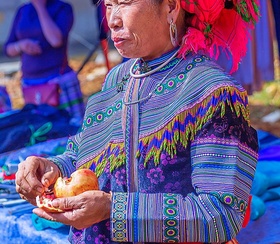
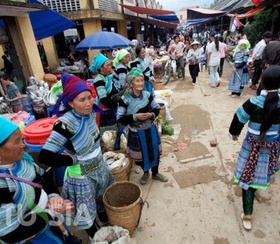
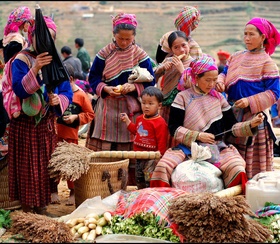
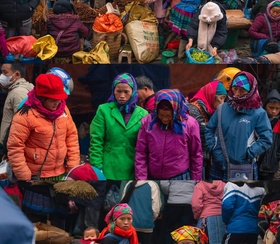
The local ethnic markets around Sapa take place on different days, depending on the specific market.
The biggest one is Bac Ha Market, held every Sunday, where many ethnic groups gather to trade goods and livestock.
If you cannot fit your trip onto a Sunday, worry not! There are other markets that you can get a taste of the mountain colors and cultures as well.
Tuesday: Coc Ly Market
Wednesday: Cao Son Market
Thursday: Lung Khau Nhin Market
Saturday: Can Cau Market
10. What to do in the evening in Sapa?
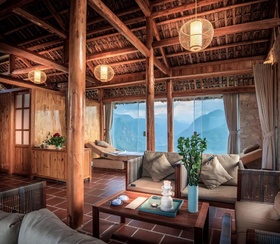
Evenings in Sapa are calm but full of charm. You can stroll around Sapa town square, where locals gather and street vendors sell snacks like grilled skewers and sticky rice. Many travelers enjoy a cozy dinner at a local restaurant or relax at a mountain-view café with warm tea or mulled wine. On weekends, the Love Market near the stone church offers traditional music and dance performances. For a relaxing end to the day, treat yourself to a herbal foot bath or massage, a signature local experience.